Indications
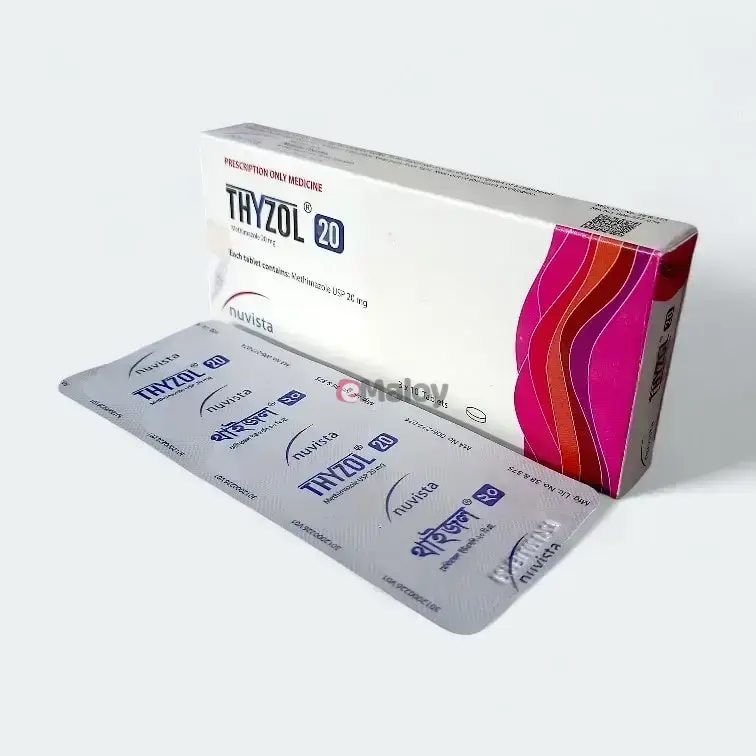
Thyzol (Methimazole) is indicated for:
- Treating hyperthyroidism in patients with Graves' disease or toxic multinodular goiter when surgery or radioactive iodine therapy is not a suitable option.
- Ameliorating symptoms of hyperthyroidism in preparation for thyroidectomy or radioactive iodine therapy.
Pharmacology
Methimazole is an anti-thyroid drug that works by inhibiting the synthesis of new thyroid hormones. It does not affect hormones already stored in the thyroid or circulating in the blood. The drug is well-absorbed orally, metabolized in the liver, and excreted in the urine.
Dosage & Administration
- Adults:
- Initial dose: 15 mg for mild, 30-40 mg for moderately severe, and 60 mg for severe hyperthyroidism. The total daily dosage is divided into three doses, taken every 8 hours.
- Maintenance dose: 5-15 mg daily.
- Pediatric:
- Initial dose: 0.4 mg/kg of body weight daily, divided into three doses every 8 hours.
- Maintenance dose: Approximately half of the initial dose. Methimazole is the preferred antithyroid drug for pediatric patients due to reports of severe liver injury with propylthiouracil. It should be taken at the same time in relation to meals each day.
Interaction
- Oral Anticoagulants (e.g., Warfarin): Methimazole may increase their activity; monitor PT/INR.
- Beta-blockers, Digitalis glycosides, Theophylline: Dosage adjustments may be needed as the patient becomes euthyroid, as the clearance of these drugs may change.
Contraindications
Methimazole is contraindicated in patients with a history of hypersensitivity to the drug or any of its components.
Side Effects
- Common: Skin rash, hives, nausea, vomiting, joint pain, loss of taste, headache, drowsiness, edema, vertigo, and hair loss.
- Rare (potentially serious): Agranulocytosis, aplastic anemia, lupus-like syndrome, hepatitis, and hypoprothrombinemia.
Pregnancy & Lactation
- Pregnancy Category D: It crosses the placenta and can cause fetal harm, particularly in the first trimester. The lowest possible dose should be used, and other agents may be more appropriate.
- Lactation: It is excreted into breast milk. Although some studies show no effect on nursing infants, caution should be exercised and the infant's thyroid function should be monitored.
Precautions & Warnings
- Agranulocytosis: A potentially life-threatening reaction. Patients should immediately report symptoms like fever or sore throat.
- Liver Toxicity: Hepatotoxicity can occur, though the risk is lower than with propylthiouracil. Discontinue treatment if significant liver abnormalities develop.
- Hypothyroidism: Can cause hypothyroidism; TSH and free T4 levels should be monitored regularly to adjust the dose.
- Fetal Harm: Can cause fetal goiter and cretinism. Use the lowest effective dose during pregnancy.
- Bleeding: Can cause hypoprothrombinemia; monitor prothrombin time, especially before surgery.
Overdose Effects
Symptoms may include nausea, vomiting, headache, and fever. More serious effects like agranulocytosis and aplastic anemia can manifest. Treatment is symptomatic and supportive.
Therapeutic Class
Thyzol is an anti-thyroid drug.
Storage Conditions
Store in a cool and dry place (below 30°C), away from light and children.



Comment