Indications
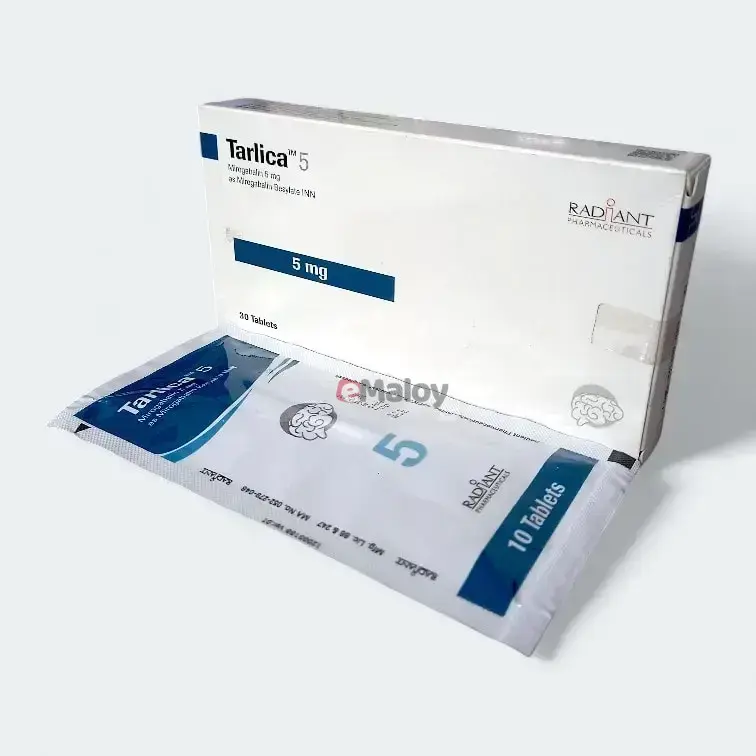
Tarlica (Mirogabalin) is indicated for the treatment of:
- Neuropathic pain
- Diabetic peripheral neuropathic pain (DPNP)
- Postherpetic neuralgia (PHN)
- Peripheral neuropathic pain (PNP)
Pharmacology
Mirogabalin is a gamma amino acid derivative that selectively binds to the α2−δ subunits of voltage-gated calcium channels (VGCCs). This binding reduces calcium influx and neurotransmission, thereby inhibiting the release of neurotransmitters in presynaptic neurons and decreasing the hyper-excitability of central nervous system (CNS) neurons. The drug is rapidly absorbed, with a median time to peak plasma concentration of 0.5-1.5 hours. It is primarily cleared unchanged through renal excretion (61-72%), and its elimination half-life is 2-4.9 hours.
Dosage & Administration
- Adult Dose:
- The initial dose is 5 mg twice daily.
- The dose is gradually increased by 5 mg at intervals of at least one week to 15 mg twice daily.
- The dose may be adjusted between 10 mg and 15 mg twice daily based on age and symptoms.
- Children and Adolescents: The safety and effectiveness have not been established.
- Hepatic Impairment:
- Mild to moderate: A single 15 mg dose does not cause significant adverse reactions. No data is available for severe hepatic impairment.
- Renal Impairment:
- Mild: Initial dose is 5 mg twice a day, increased slowly by 5 mg at weekly intervals to 10 mg.
- Moderate: Initial dose is 2.5 mg twice a day, increased slowly by 2.5 mg at weekly intervals to 7.5 mg twice a day.
- Severe: Initial dose is 2.5 mg once a day, increased slowly by 2.5 mg at weekly intervals to 7.5 mg once a day.
Interaction
- Cimetidine or Probenecid: Co-administration may increase Tarlica's plasma concentration.
- Lorazepam: Co-administration may potentiate the depressive effects on the CNS.
- CYP and Transporters: Tarlica is a substrate of several transporters and UGT enzymes. Use with caution with inhibitors of these transporters and enzymes as they may increase mirogabalin exposure.
- Alcohol: Avoid consuming alcohol, as Tarlica may potentiate its sedative and motor skill impairment effects.
- Food: Food has no clinically relevant effect on the total absorption of Tarlica.
Contraindications
Mirogabalin is contraindicated in patients with:
- Hypersensitivity to Mirogabalin.
- Mild to moderate hepatic and renal impairment.
Side Effects
The most commonly reported adverse reactions are somnolence, dizziness, edema, and weight gain.
- Rare but serious: Dizziness, somnolence, or unconsciousness; and signs of liver dysfunction such as general malaise, loss of appetite, nausea, vomiting, or jaundice.
Pregnancy & Lactation
- Pregnancy: Administer only if the therapeutic benefit outweighs the potential risks. Animal studies have shown placental passage.
- Lactation: It has been shown to transfer into milk in animal studies. A decision should be made to continue or discontinue breastfeeding based on a consideration of the therapeutic and breastfeeding benefits.
Precautions & Warnings
- Dizziness/Somnolence: The medicine may cause dizziness, somnolence, or loss of consciousness. Patients should avoid operating dangerous machinery or driving.
- Elderly Patients: Careful attention should be given to elderly patients due to the risk of falling and fractures.
- Weight Gain: The medicine may cause weight gain.
- Vision: It may cause blurred or double vision. Patients should consult a doctor if these symptoms appear.
- Renal Dysfunction: Dose adjustment is necessary.
- Allergic Reactions: Stop taking the medicine and consult a doctor if an allergic reaction occurs.
Therapeutic Class
Tarlica is an adjunct anti-epileptic drug and a primary anti-epileptic drug.
Storage Conditions
Store below 30°C in a dry place, away from light and moisture. Keep out of the reach of children.



Comment