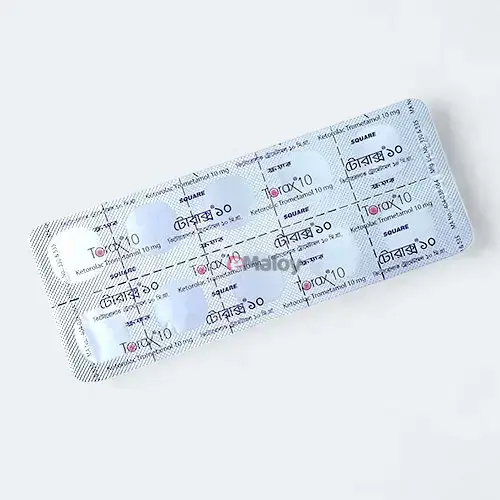
Torax (Ketorolac): A Non-Opioid Analgesic and Anti-inflammatory Drug
Torax contains Ketorolac Tromethamine, a potent non-steroidal anti-inflammatory drug (NSAID) of the pyrrolo-pyrrole group. It is primarily indicated for the short-term management of moderate to severe acute pain. Its ophthalmic solution form is used to relieve pain, inflammation, and light sensitivity after eye surgery, and to decrease inflammation from seasonal allergies. It belongs to the therapeutic class of Non-Opioid Analgesics and Drugs used for Rheumatoid Arthritis.
How Torax Works (Pharmacology)
Ketorolac's mechanism of action is to inhibit the synthesis of prostaglandins, which are key mediators of pain and inflammation:
- Inhibits Cyclooxygenase: Ketorolac is a potent inhibitor of the cyclooxygenase enzyme system.
- Blocks Prostaglandin Synthesis: By inhibiting this enzyme, it prevents the synthesis of prostaglandins, which are responsible for pain and inflammation signals in the body.
- Peripherally Acting: It is considered a peripherally acting analgesic, meaning it works at the site of injury rather than in the central nervous system.
- Minimal Anti-inflammatory Effect: While it is an NSAID, it demonstrates a minimal anti-inflammatory effect at its usual analgesic dose.
Key Indications & Benefits
Torax is indicated for:
- Short-term management of moderate to severe acute post-operative pain (oral and injectable forms).
- Relief of pain, inflammation, and light sensitivity after ocular surgery (ophthalmic solution).
- Decreasing eye inflammation or redness caused by seasonal allergies (ophthalmic solution).
Dosage & Administration
The dosage varies significantly depending on the form of the medication (tablet, injection, or eye drops), the patient's age and weight, and renal function. It is primarily for short-term use. Always consult a registered physician for specific dosage instructions.
- Tablet (Oral):
- Recommended dose:10 mg every 4-6 hours.
- Short-term use only (up to 7 days). Maximum daily dose should not exceed 40 mg.
- Injection (IM/IV):
- Single-Dose: Varies based on age, weight, and renal function (e.g., 60 mg IM for adults <65 years; 30 mg IV for adults <65 years).
- Multiple-Dose: 30 mg every 6 hours for adults <65 years (maximum daily dose 120 mg).
- The total duration of combined parenteral and oral treatment should not exceed 5 days.
- Eye Drops (Ophthalmic Solution):
- Adults: 1 drop in each eye 4 times daily.
Important Considerations & Warnings
It is crucial to discuss your full medical history with your doctor before taking Torax.
Contraindications:
- Hypersensitivity to Ketorolac or other NSAIDs.
- Prophylactic analgesic before surgery.
- Children under 16 years of age.
Side Effects:
- Common: Nausea, vomiting, gastrointestinal bleeding, peptic ulcer, drowsiness, headache, and fatigue.
- Cardiovascular: Hypertension, palpitations, chest pain, and bradycardia.
- Other: Excessive thirst, anxiety, pancreatitis, and pulmonary edema.
Pregnancy & Lactation:
- Pregnancy: US FDA Category C. It should be avoided in pregnancy and lactation unless the potential benefits outweigh the possible risks to the fetus or infant.
Precautions & Warnings:
- Elderly Patients: Caution should be exercised in patients over 65 years of age.
- Gastrointestinal Risk: Use with caution in patients with active or suspected peptic ulcers or gastrointestinal bleeding.
- Asthma/Liver Dysfunction: Caution should also be taken in patients with asthma and liver dysfunction.
- Ophthalmic Solution: Patients with corneal epithelial breakdown should discontinue use. The solution should not be administered while wearing contact lenses.
Drug Interactions:
- Other NSAIDs or Aspirin: Increased side effects.
- Anticoagulants: Enhanced anticoagulant effect.
- Beta-Blockers: Reduced antihypertensive effect.
- ACE Inhibitors: Increased risk of renal impairment.
- Methotrexate: Enhanced toxicity of methotrexate.
Storage Conditions
Keep in a dry place away from light and heat. Keep out of the reach of children.



Comment