Telmitan (Telmisartan): An Angiotensin-II Receptor Blocker (ARB)
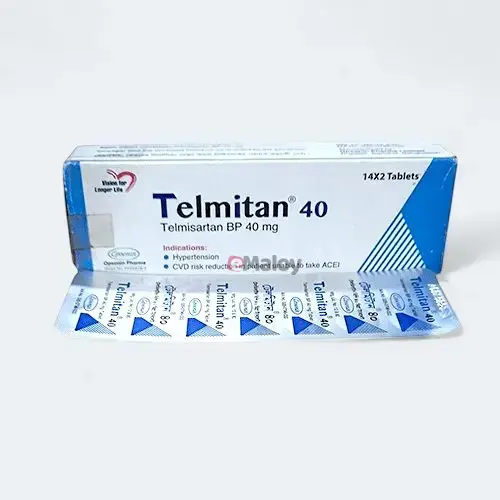
Telmitan contains Telmisartan, a non-peptide angiotensin-II receptor antagonist. It is a medication indicated for the treatment of essential hypertension in adults and for the reduction of cardiovascular morbidity in high-risk adults. It belongs to the therapeutic class of Angiotensin-II Receptor Blockers.
How Telmitan Works (Pharmacology)
Telmisartan's mechanism of action is to block the effects of a hormone that constricts blood vessels:
- Blocks Angiotensin-II Receptors: Angiotensin-II is the primary agent of the renin-angiotensin system, causing vasoconstriction, stimulating aldosterone release, and increasing blood pressure. Telmisartan selectively and potently blocks the binding of angiotensin-II to the AT1 receptor.
- Vasodilation: By blocking the AT1 receptor, Telmisartan prevents the vasoconstrictor effects of angiotensin-II, leading to the dilation of blood vessels and a reduction in blood pressure.
- No Effect on Bradykinin: Unlike ACE inhibitors, Telmisartan does not inhibit the angiotensin-converting enzyme (ACE) and therefore does not affect the response to bradykinin, a substance that can cause a cough in some patients.
Key Indications & Benefits
Telmitan is indicated for:
- Hypertension: The treatment of essential hypertension in adults.
- Cardiovascular Prevention: Reduction of cardiovascular morbidity in adults with a history of atherothrombotic cardiovascular disease (e.g., coronary heart disease, stroke, peripheral arterial disease) or Type 2 diabetes mellitus with documented target organ damage.
Dosage & Administration
Dosage should be individualized. The usual starting dose is 40 mg once a day. The blood pressure lowering effect is dose-related and most of the effect is seen within 2 weeks, with the maximum effect generally achieved after 4 weeks. Always consult a registered physician for specific dosage instructions.
- Usual starting dose:40 mg once a day.
- Dosage range:20 to 80 mg.
- Administration: Can be taken with or without food.
- Special Populations:
- Elderly and patients with renal impairment: No initial dosage adjustment is necessary.
- Patients on dialysis: Blood pressure should be closely monitored due to the risk of orthostatic hypotension.
- Hepatic impairment: Not recommended as initial therapy. Monitor carefully and titrate slowly in patients with biliary obstructive disorders or hepatic insufficiency.
Important Considerations & Warnings
It is crucial to discuss your full medical history with your doctor before taking Telmitan.
Contraindications:
- Known hypersensitivity to Telmisartan or any component of the product.
- Pregnancy and lactation.
Side Effects:
- In hypertensive patients: The most common side effects include sinus pain and congestion (sinusitis), back pain, and diarrhea.
- In cardiovascular risk reduction patients: The most common side effects include intermittent claudication and skin ulcers.
Pregnancy & Lactation:
- Pregnancy: Classified as Category C (first trimester) and Category D (second and third trimesters). It is associated with a risk of injury and death to the developing fetus.
- Lactation: It is not known whether Telmisartan is excreted in human milk. A decision should be made whether to discontinue nursing or discontinue the drug, considering the importance of the drug to the mother.
Precautions & Warnings:
- Avoid fetal or neonatal exposure.
- Hypotension: Monitor for signs and symptoms of hypotension.
- Impaired Hepatic/Renal Function: Monitor carefully in patients with these conditions.
- Dual Therapy: Avoid concomitant use of an ACE inhibitor and an angiotensin receptor blocker.
Drug Interactions:
- NSAIDs: Concomitant use with NSAIDs can lead to an increased risk of renal impairment and a loss of the antihypertensive effect.
- Aliskiren: Co-administration with aliskiren should be avoided in patients with diabetes.
Overdose Effects
- Symptoms: The most likely manifestations of overdosage are hypotension, dizziness, and tachycardia. Bradycardia, an increase in serum creatinine, and acute renal failure may also occur.
- Treatment: The patient should be treated symptomatically and with supportive measures. Telmisartan is not removed by hemodialysis.
Storage Conditions
Do not store above 30°C. Protect from light and high humidity. Keep out of the reach of children.




Comment