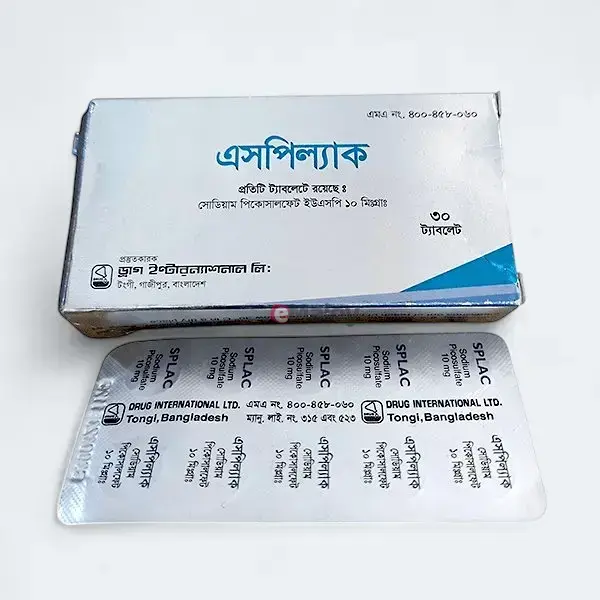
SPLAC (Sodium Picosulfate): A Stimulant Laxative
SPLAC contains Sodium Picosulfate, a stimulant laxative belonging to the triarylmethane group. It is indicated for the treatment of constipation of any origin, including prolonged and recurrent constipation, and for bowel clearance before medical procedures such as surgery, childbirth, or radiological investigations. It belongs to the therapeutic class of Stimulant Laxatives.
How SPLAC Works (Pharmacology)
Sodium Picosulfate's mechanism of action is local and stimulatory:
- Activation: After oral administration, the drug is not absorbed but is activated by the colonic bacteria in the large intestine.
- Stimulates Peristalsis: The active form of the drug then directly stimulates the nerve endings in the intestinal wall. This leads to increased colonic peristalsis (muscle contractions that move stool through the colon).
- Accumulation of Water and Electrolytes: This stimulation also promotes the accumulation of water and electrolytes in the colon.
- Resulting Effects: The combined effect of increased motility and softened stool results in a stimulated defecation reflex, a reduction in transit time, and easier passage of stool.
Key Indications & Benefits
SPLAC is indicated for:
- Constipation of any etiology.
- Relief from prolonged and recurrent constipation.
- Bowel clearance before surgery, childbirth, or radiological investigations.
Dosage & Administration
The dosage should be individually adjusted, starting with the lowest effective dose. It is recommended to take the dose at night to produce a bowel movement the following morning. The maximum recommended daily dose should not be exceeded. Always consult a registered physician for specific dosage instructions.
- 10 mg tablet dose:
- Adults and children over 10 years: 5-10 mg per day.
- Children aged 4-10 years: 2.5-5 mg per day.
- Oral Solution (5 mg/5 ml) dose:
- Adults and children over 10 years: 5-10 ml (1-2 teaspoonfuls) per day.
- Children aged 4-10 years: 2.5-5 ml (1/2-1 teaspoonful) per day.
- Children from 1 month to 4 years: 0.25 ml/kg body weight per day.
- Concentrated Oral Solution (7.5 mg/ml) dose:
- Adults and children over 10 years: 0.67-1.33 ml per day.
- Children aged 4-10 years: 0.33-0.67 ml per day.
Important Considerations & Warnings
It is crucial to discuss your full medical history with your doctor before taking SPLAC.
Contraindications:
- Ileus or intestinal obstruction.
- Severe painful and/or feverish acute abdominal conditions (e.g., appendicitis).
- Acute inflammatory bowel diseases.
- Severe dehydration.
- Known hypersensitivity to Sodium Picosulfate or any component of the product.
Side Effects:
- Gastrointestinal: Diarrhea, abdominal pain, abdominal cramps, nausea, and vomiting.
- Hypersensitivity: Dizziness, syncope, and vasovagal response.
Pregnancy & Lactation:
- Pregnancy: While there are no reports of damaging effects, use of the drug should be avoided during the first trimester.
- Lactation: Clinical data shows that neither the active moiety of Sodium Picosulfate nor its metabolites are excreted into breast milk. However, caution should be exercised.
Precautions & Warnings:
- Prolonged Use: Prolonged and excessive use of stimulant laxatives can lead to fluid and electrolyte imbalance and hypokalemia (low potassium levels).
- Alcoholism: The oral solution contains ingredients that may be harmful to those suffering from alcoholism.
- High-Risk Groups: Caution is advised in pregnant or breast-feeding women, children, and patients with liver disease or epilepsy.
Drug Interactions:
- Diuretics or Adreno-corticosteroids: Concomitant use may increase the risk of electrolyte imbalance if excessive doses of SPLAC are taken.
- Antibiotics: Concurrent administration of antibiotics may reduce the laxative action of SPLAC by affecting the gut bacteria needed to activate the drug.
Overdose Effects
- Symptoms: Chronic overdose can lead to chronic diarrhea, abdominal pain, hypokalemia, secondary hyperaldosteronism, and renal calculi (kidney stones).
- Treatment: Chronic laxative abuse has also been associated with renal tubular damage, metabolic alkalosis, and muscle weakness secondary to hypokalemia.
Storage Conditions
Keep below 30°C temperature, away from light and moisture. Keep out of the reach of children.



Comment