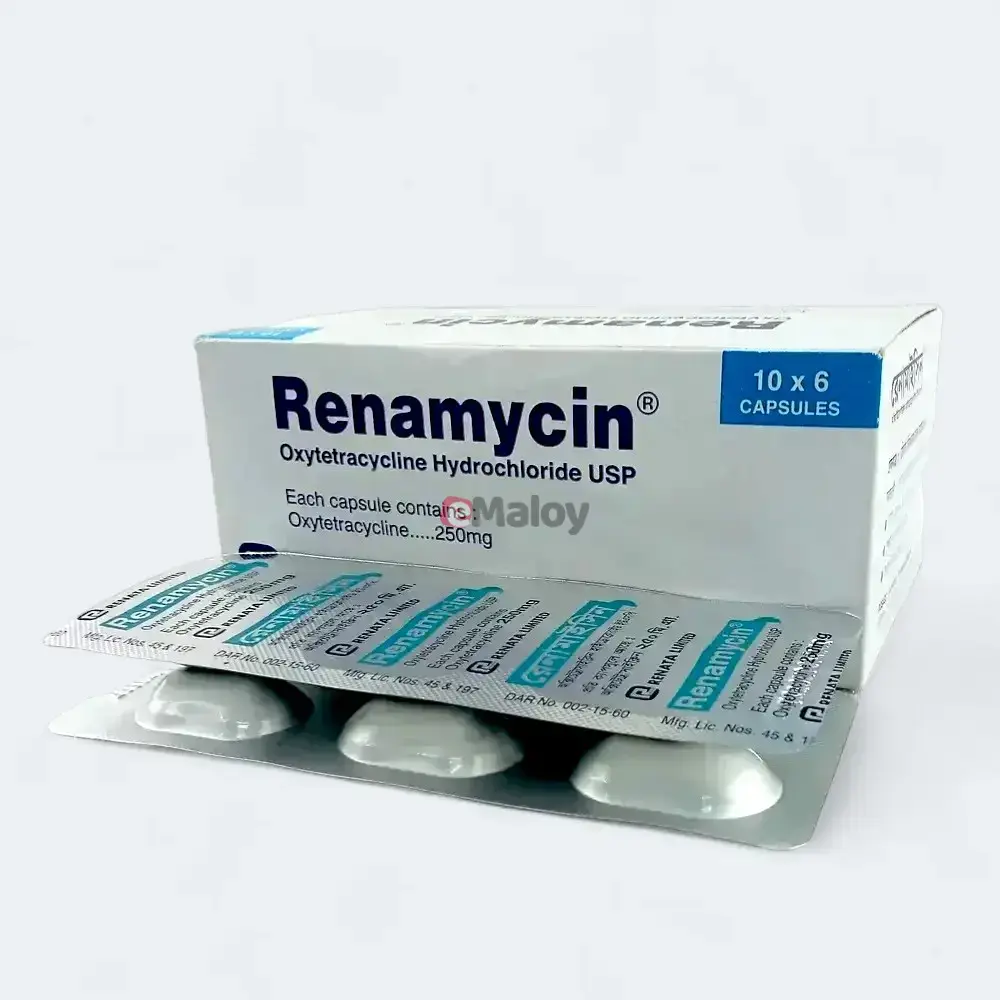
Renamycin (Oxytetracycline): A Broad-Spectrum Tetracycline Antibiotic
Renamycin contains Oxytetracycline, a primarily bacteriostatic broad-spectrum antibiotic. It is effective against a wide range of Gram-positive and Gram-negative bacteria, as well as parasites like rickettsia, mycoplasma, chlamydia, and amoeba. It falls under the therapeutic class of Tetracycline group of drugs (also listed as Eye Anti-Infectives & Antiseptics and Topical antibiotics for Acne, indicating its versatility).
How Renamycin Works (Pharmacology)
Oxytetracycline inhibits cell growth by:
- Inhibiting Protein Synthesis: It binds to the 30S ribosomal subunit within bacteria.
- Preventing tRNA Binding: This binding prevents the amino-acyl tRNA from attaching to the A site of the ribosome, thereby inhibiting the translation process (protein synthesis) necessary for bacterial growth and replication.
- Reversible Binding: The binding is reversible.
- Cell Penetration: Oxytetracycline is lipophilic, allowing it to easily pass through the bacterial cell membrane or passively diffuse through porin channels.
Key Indications & Benefits
Renamycin is indicated for the treatment of various infections, including:
- Respiratory tract infections
- Mycoplasma pneumonia
- Urinary tract infections
- Sexually transmitted diseases: Including infections due to Chlamydia trachomatis (uncomplicated urethral, endocervical or rectal infections), non-gonococcal urethritis, chancroid, granuloma inguinale, lymphogranuloma venereum, gonorrhea, syphilis.
- Skin infections: Acne and rosacea.
- Ophthalmic infections: Trachoma.
- Rickettsial infections.
- Other infections: Psittacosis, brucellosis, cholera, acute intestinal amoebiasis, etc.
Dosage & Administration
Renamycin should be taken one hour before or two hours after meals, as food, milk, and some dairy products can interfere with its absorption. Always consult a registered physician for medication use.
- Adults: 250-500 mg every 6 hours.
Important Considerations & Warnings
It is crucial to discuss your full medical history with your doctor before taking Renamycin.
Contraindications:
- Patients who are hypersensitive to Tetracyclines.
- Children under 12 years of age (due to risk of tooth staining and possible growth retardation).
- Pregnant women (due to tooth staining in the fetus and possible growth retardation effects; evidence of embryotoxicity noted in animals).
Side Effects:
- Commonly reported: Anorexia, nausea, vomiting, diarrhea, glossitis (inflammation of the tongue), skin rashes, and urticaria (hives).
Pregnancy & Lactation:
- Pregnancy:Contraindicated. Animal studies show tetracyclines cross the placenta, accumulate in fetal tissues, and can have toxic effects on the developing fetus, including embryotoxicity.
- Lactation: Tetracyclines are present in human milk. Contraindicated in nursing mothers.
Precautions & Warnings:
- Renal Impairment: Renamycin should be used with caution in patients with renal impairment.
Drug Interactions:
- Antacids: Antacids containing Aluminum, Calcium, Magnesium, Zinc, or Iron salts may impair the absorption of Renamycin. Avoid concurrent use or separate administration by several hours.
- Anticoagulants: In long-term therapy, Tetracyclines can depress plasma prothrombin activity. Reduced doses of concomitant anticoagulants (e.g., warfarin) may be necessary.
- Oral Contraceptives: A few cases of pregnancy or breakthrough bleeding have been attributed to the concurrent use of Tetracyclines with oral contraceptives, suggesting reduced efficacy of contraceptives.
Storage Conditions
Keep below 30°C temperature, away from light & moisture. Keep out of the reach of children.




Comment