Relvis (Tiemonium Methylsulphate): An Antispasmodic Drug
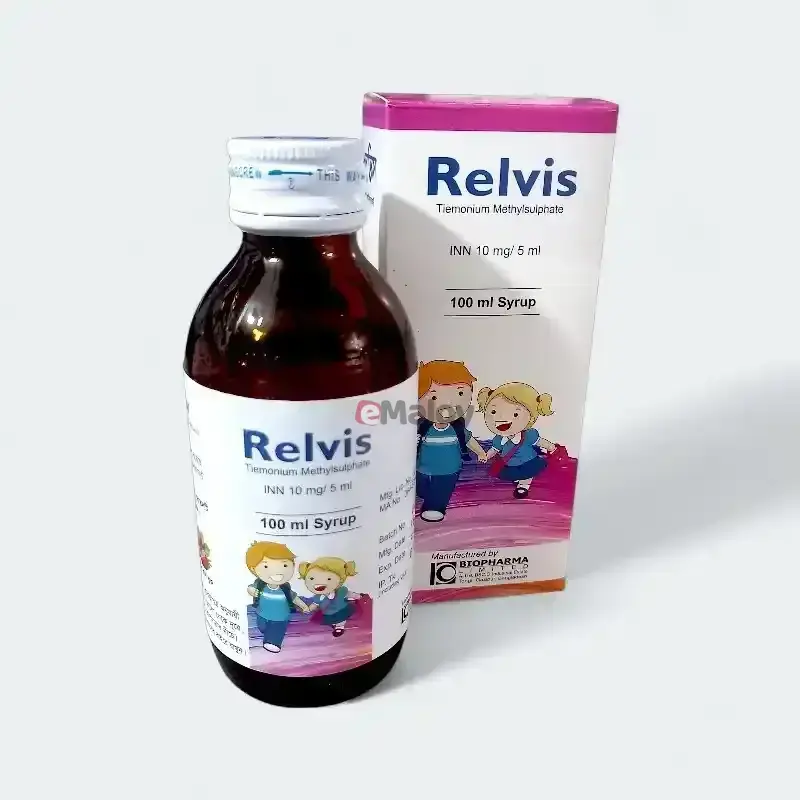
Relvis is an antispasmodic medication containing Tiemonium Methylsulphate. It works by reducing muscle spasms in various internal organs, providing symptomatic relief from pain associated with functional disorders of the digestive tract, biliary system, bladder, and uterus.
How Relvis Works (Pharmacology)
Tiemonium Methylsulphate acts as a competitive antagonist of Acetylcholine and Histamine. It also strengthens the bond of calcium with membrane phospholipids and proteins. These actions collectively inhibit the intracellular contractile proteins of visceral cells, thereby leading to the inhibition of visceral spasm and associated pain.
Key Indications & Benefits
Relvis is indicated for the symptomatic treatment of pain related to functional disorders of:
- Digestive tract: Relieves spasms and pain in the intestines.
- Biliary system: Addresses spasms and pain related to bile ducts.
- Bladder: Treats spasm and pain in the urinary bladder (urological diseases).
- Uterus: Manages spasm and pain in gynecological conditions.
Dosage & Administration
Relvis is available in various forms (Tablet, Syrup, Injection, Suppository). Always consult a registered physician for medication use.
- Tablet/Syrup (Adults): Usual dose is 2-6 tablets or 3-9 teaspoonfuls syrup daily in divided doses.
- Tablet/Syrup (Children): 3 mL/kg or 6 mg/kg body weight daily in divided doses.
- Injection: 1 injection 3 times daily, administered slowly via intravenous (IV) route or via intramuscular (IM) route.
- Suppository: 20 mg suppository two or three times daily, administered via the rectal route.
Important Considerations & Warnings
It is crucial to discuss your full medical history with your doctor before taking Relvis.
Contraindications:
- Urethroprostatic disorder involving a risk of urine retention (difficulty passing urine due to prostate issues).
- Patients with a risk of angle-closure glaucoma (a type of eye condition that can cause rapid, severe eye pressure).
Side Effects:
- Relvis Methylsulphate may carry a risk of hypotension (low blood pressure) and tachycardia (fast heart rate) in certain individuals.
Pregnancy & Lactation:
- Pregnancy: Animal studies did not reveal any teratogenic effects (causing birth defects), and no deformities have been reported with normal use in humans up to the present. However, in the absence of sufficient human data, prudence should be exercised for pregnant women.
- Lactation: Data regarding excretion in breast milk is limited. Although no problems have been reported with normal use, prudence should be the rule for nursing mothers.
Precautions & Warnings:
- Prostate Disorders: Caution should be taken during the treatment of patients with disorders of the prostate.
- Other Conditions: Caution should also be taken in cases of:
- Chronic bronchitis
- Coronary insufficiency (reduced blood flow to the heart)
- Ambient hyperthermia (high environmental temperature)
- Renal (kidney) and hepatic (liver) insufficiency
- Driving & Using Machines: The risks of visual disturbances can make it dangerous to drive or use machines. Patients should be warned accordingly.
Drug Interactions:
- Relvis methylsulphate tablet should not be used with other drugs without prior consultation of a registered physician to avoid possible drug interactions.
Use in Special Populations:
- Pediatric Use: Safety and effectiveness of Relvis methylsulphate in pediatric patients have not been established.
- Geriatric Use: Efficacy and safety were maintained with increasing age.
Overdose Effects:
- There is no available data regarding the overdose of Relvis methylsulphate tablet.
Storage Conditions
Keep in a dry place, away from light and heat. Keep out of the reach of children.



Comment