Indications
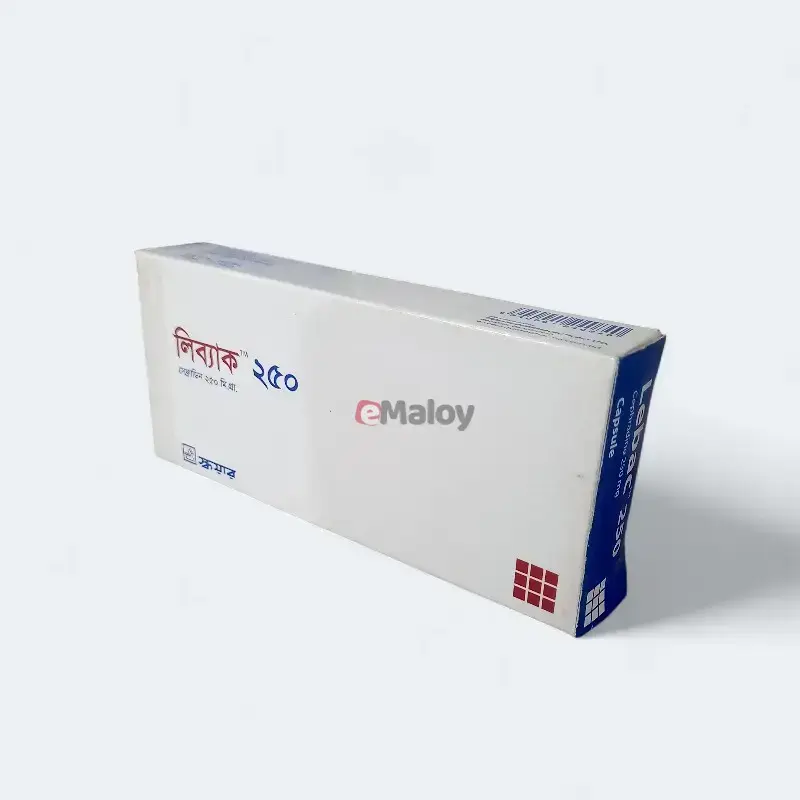
Lebac (Cephradine) is a broad-spectrum, bactericidal antibiotic used to treat infections caused by susceptible Gram-positive and Gram-negative bacteria, including penicillin-resistant strains.
- Respiratory Tract Infections: Sinusitis, pharyngitis, tonsillitis, bronchitis, and pneumonia.
- Urinary Tract Infections: Cystitis, urethritis, and pyelonephritis.
- Skin and Soft Tissue Infections: Abscesses, cellulitis, furunculosis, and impetigo.
Pharmacology
Cephradine works by inhibiting the biosynthesis of the bacterial cell wall, leading to cell lysis and death. It is effective against both penicillinase-producing and non-producing staphylococci.
Dosage & Administration
- Oral (Adults):
- Urinary Tract Infections: 500 mg four times daily or 1 g twice daily.
- Respiratory/Skin/Soft Tissue Infections: 250-500 mg four times daily or 500 mg-1 g twice daily.
- Maximum daily dose: 4 gm.
- Oral (Children): 25-50 mg/kg total daily dose, divided into two or four doses. For otitis media, the dose is 75-100 mg/kg daily.
- Injectable (Adults): 2-4 gm daily in four divided doses, up to 8 gm daily for severe infections.
- Injectable (Children): 50-100 mg/kg daily in four divided doses, up to 300 mg/kg for severe infections.
- Renal Impairment: Dosage adjustment is necessary. For a creatinine clearance of 5-20 ml/min, the dose is 250 mg every 6 hours.
Interaction
- Nephrotoxic drugs (e.g., aminoglycosides) and diuretics: Concurrent use may increase the risk of kidney damage.
- Probenecid: May enhance the possibility of renal toxicity.
Contraindications
Lebac should not be used in patients with a known or suspected hypersensitivity to cephalosporins.
Side Effects
Side effects are generally limited to gastrointestinal disturbances (nausea, vomiting, diarrhea) and hypersensitivity reactions. Rare side effects include dizziness, glossitis, headache, and skin rashes.
Pregnancy & Lactation
Safety during pregnancy has not been established. Cephradine is excreted in breast milk, and caution should be exercised in lactating mothers.
Precautions & Warnings
- Use with caution in patients with a history of hypersensitivity to penicillins due to the risk of cross-sensitivity.
- Prolonged use may lead to superinfection by resistant organisms.
- Lebac can cause a false positive result in the Coombs’ test and some urine glucose tests (Benedict’s, Fehling’s, or Clinitest tablets).
Therapeutic Class
Lebac is a first-generation cephalosporin.
Storage Conditions
- Suspension: Use within 7 days at room temperature or 14 days if refrigerated.
- Injection solutions: Use within 2 hours at room temperature or 12 hours if refrigerated.
- Keep out of the reach of children.
-




Comment