Indications
Fuclav is indicated for the treatment of various bacterial infections, including:
- Pharyngitis/Tonsillitis
- Acute Bacterial Otitis Media
- Acute Bacterial Maxillary Sinusitis
- Lower respiratory tract infections (pneumonia, bronchitis)
- Uncomplicated skin and skin-structure infections
- Uncomplicated urinary tract infections
- Bone and joint infections
- Uncomplicated gonorrhea
- Early Lyme disease
- Septicemia
- Meningitis It is also used as a switch therapy from an injectable to an oral antibiotic.
Pharmacology
- Cefuroxime: A bactericidal, second-generation cephalosporin antibiotic. It works by interfering with the transpeptidation process, which inhibits bacterial cell wall synthesis. It is effective against a wide range of gram-positive and gram-negative bacteria, including many beta-lactamase producing strains.
- Clavulanic acid: A beta-lactamase inhibitor that binds irreversibly to beta-lactamase enzymes, inactivating them. It protects Cefuroxime from degradation by these enzymes, making the combination effective against resistant bacteria.
Dosage & Administration
- Adolescents and Adults (13 years and older):
- Pharyngitis/Tonsillitis: 250 mg twice daily (b.i.d.) for 5-10 days.
- Acute bacterial maxillary sinusitis: 250 mg b.i.d. for 10 days.
- Acute bacterial exacerbation of chronic bronchitis: 250-500 mg b.i.d. for 10 days.
- Uncomplicated gonorrhea: 1000 mg as a single dose.
- Early Lyme disease: 500 mg b.i.d. for 20 days.
- Pediatric Patients (3 months to 12 years): Doses are based on weight.
- Pharyngitis/Tonsillitis: 20 mg/kg/day b.i.d. for 5-10 days.
- Acute otitis media, acute bacterial maxillary sinusitis, impetigo: 30 mg/kg/day b.i.d. for 10 days. The tablet may be taken with or without food.
Interaction
- Probenecid: Concomitant use increases the concentration of Cefuroxime in the blood.
- Drugs that reduce gastric acidity: These may lower the bioavailability of Cefuroxime.
Contraindications
Fuclav is contraindicated in patients with a known allergy to cephalosporin antibiotics or in patients with Pseudomembranous Colitis.
Side Effects
Fuclav is generally well-tolerated. Common side effects include nausea, vomiting, diarrhea, and abdominal discomfort. Prolonged use may lead to overgrowth of non-susceptible microorganisms. Rarely, side effects like renal dysfunction, anaphylaxis, angioedema, rash, and urticaria may occur.
Pregnancy & Lactation
- Pregnancy: While antibiotics should be avoided in the first trimester if possible, Fuclav is considered safe for use in later pregnancy to treat bacterial infections.
- Lactation: It is excreted in small quantities into breast milk. The possibility of sensitizing the infant should be considered.
Precautions & Warnings
Use with care in patients receiving concurrent treatment with potent diuretics and in those with a history of colitis.
Quick Tips
- Take the full prescribed course of treatment even if you feel better to prevent the infection from returning.
- Taking the medicine with food can help prevent an upset stomach.
- Diarrhea is a possible side effect; probiotics may help. Consult a doctor if you experience bloody stools or abdominal cramps.
- Stop taking the medicine and seek immediate medical attention if you experience an itchy rash, swelling of the face, throat or tongue, or breathing difficulties.
- Do not use leftover medication for future infections. Always consult a doctor before taking any antibiotic.
Therapeutic Class
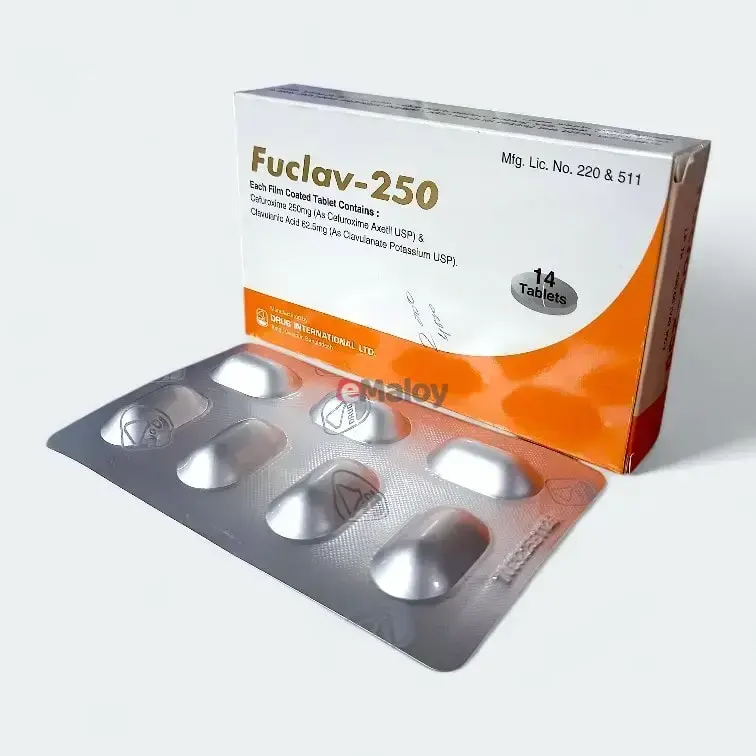
Fuclav is a combination of Cefuroxime and Clavulanic Acid.
Storage Conditions
Store in a cool, dry place (below 30°C), away from light and moisture. Keep out of the reach of children.



Comment