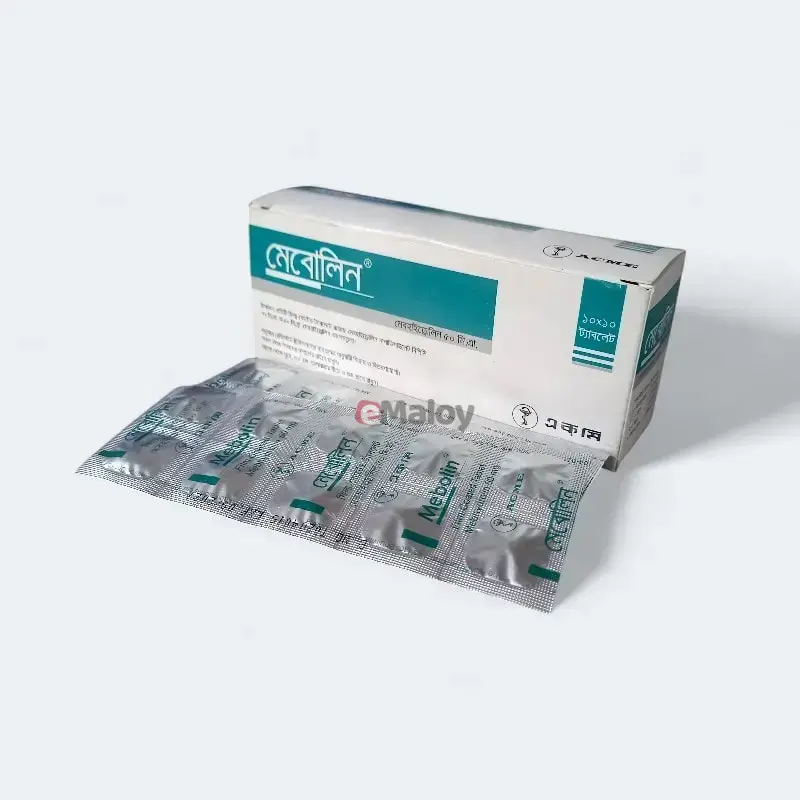
Mebolin 50 mg is a film-coated tablet containing Mebhydrolin Napadisylate BPC 76 mg, which is equivalent to 50 mg of Mebhydrolin. It is manufactured by The ACME Laboratories Ltd. in Bangladesh.
Indications:
Mebolin is a sedating antihistamine (an ethylenediamine derivative) with antimuscarinic and sedative properties. It is primarily used to relieve symptoms associated with various allergic conditions. These include:
- Allergic diseases or symptoms, such as:
- Urticaria (hives)
- Pruritus (itching) of various origins (e.g., eczema, drug rash, insect bites)
- Allergic dermatitis
- Hay fever (seasonal allergic rhinitis)
- Vasomotor rhinitis (non-allergic rhinitis)
- Asthma (as an adjunct in allergic asthma)
- Allergic conjunctivitis
- Dermatitis of nutritional origin
- Other allergic reactions
Pharmacology:
Mebhydrolin works by blocking histamine H1-receptors. By inhibiting these receptors, it reduces or eliminates the major effects of histamine in the body, such as itching, swelling, and allergic reactions. It also possesses antimuscarinic (drying) and sedative properties.
Dosage and Administration:
Mebolin tablets should be swallowed during or shortly after meals to minimize gastrointestinal upset. For children, the tablet may be crushed and mixed with food. Treatment should be given in several single doses daily.
- Adults and children over 10 years: 100-300 mg daily (2-6 tablets), in divided doses.
- Children:
- 5-10 years: 100-200 mg daily (2-4 tablets), in divided doses.
- 2-5 years: 50-150 mg daily (1-3 tablets), in divided doses.
- Up to 2 years: 50-100 mg daily (1-2 tablets), in divided doses.
Contraindications:
Mebolin is contraindicated in:
- Patients with known hypersensitivity (allergy) to Mebhydrolin or other sulfonamides.
- Premature infants and neonates.
- Patients experiencing an acute asthmatic attack.
- Patients with closed-angle glaucoma.
- Patients with urinary retention, prostatic hyperplasia (enlarged prostate), or pyloroduodenal obstruction (blockage in the digestive tract).
- Patients with epilepsy.
- Patients in whom agranulocytosis or neutropenia (types of low white blood cell counts) have been previously reported.
- Concomitant use with CNS depressants or alcohol is not advised.
Side Effects:
Mebolin is generally well-tolerated, but some side effects can occur, most of which are mild and transient.
- Common:
- Sedation, drowsiness, lassitude (tiredness)
- Dizziness, headache
- Fatigue, psychomotor impairment
- Dry mouth
- Gastrointestinal disturbances: nausea, vomiting, diarrhea or constipation, epigastric pain (upper abdominal pain)
- Less Common/Rare:
- Hypotension (low blood pressure)
- Muscular weakness
- Blurred vision
- Tinnitus (ringing in the ears)
- Depression, nightmares, mental confusion, paradoxical stimulation (especially in children or elderly at high doses)
- Anorexia (loss of appetite)
- Tightness of the chest
- Tingling (paresthesias)
- Urinary difficulty or retention
- Increased gastric reflux
- Blood disorders (rare)
- Convulsions (rare)
- Sweating, myalgia (muscle pain), extrapyramidal effects, tremor (rare)
- Anaphylaxis (potentially fatal allergic reaction - rare)
Precautions and Warnings:
- Drowsiness: Mebolin may cause drowsiness. Patients should be advised to avoid driving or operating machinery if affected.
- Alcohol: Avoid consuming alcoholic drinks while taking Mebolin, as alcohol can enhance the sedative effects and intensify side effects.
- Underlying Conditions: Use with caution in patients with conditions that may be aggravated by anticholinergic effects, such as closed-angle glaucoma, prostatic hyperplasia, urinary retention, or pyloroduodenal obstruction.
- Elderly Patients: Elderly patients may be more susceptible to side effects like sedation, dizziness, and anticholinergic effects.
- Ototoxic Drugs: Mebhydrolin may mask the warning signs of damage caused by ototoxic drugs (drugs that can cause hearing damage), such as aminoglycoside antibiotics.
Pregnancy and Lactation:
- Pregnancy: The safety of Mebhydrolin during pregnancy has not been definitively established. It should be used with caution and only if clearly necessary, after a thorough risk-benefit assessment by a doctor.
- Lactation: The safety of Mebhydrolin during breastfeeding has not been determined. It is generally advised to exercise caution or avoid use while breastfeeding.
Drug Interactions:
- CNS Depressants: Mebhydrolin can enhance the sedative effects of alcohol, hypnotics, sedatives, tranquilizers, and other CNS depressants.
- Antimuscarinic Effects: Additive antimuscarinic (atropine-like) effects may occur with MAOIs (Monoamine Oxidase Inhibitors), atropine, and tricyclic antidepressants (TCAs).
Storage Conditions:
Store below 30°C, away from light and moisture. Keep out of the reach of children.
Note: This information is for general knowledge and informational purposes only and does not substitute professional medical advice. Always consult your doctor or pharmacist for specific instructions and guidance regarding your medication.






Comment