Indications
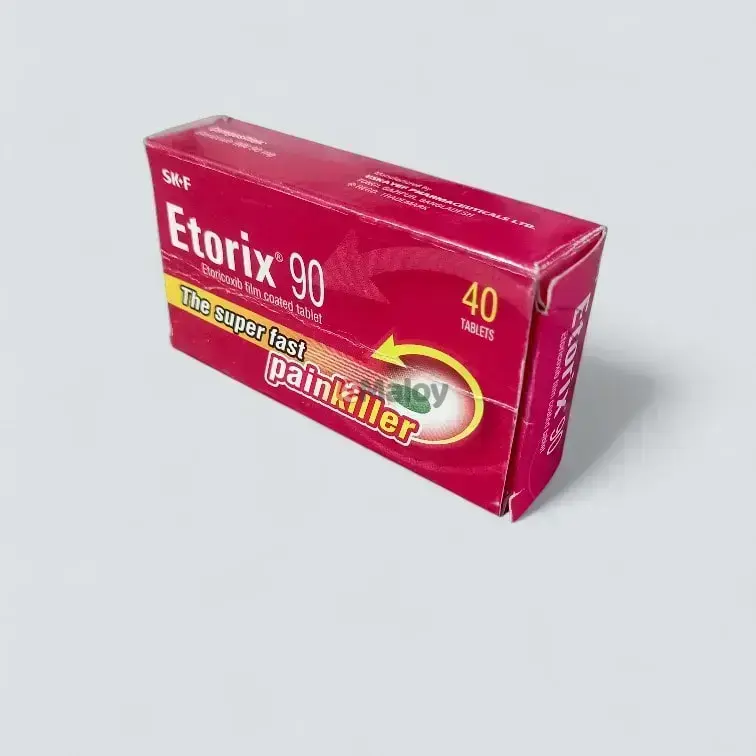
Etorix (Etoricoxib) is a COX-2 selective NSAID indicated for the symptomatic relief of:
- Osteoarthritis (OA)
- Rheumatoid Arthritis (RA)
- Ankylosing Spondylitis
- Acute Gouty Arthritis It is also used for the short-term treatment of moderate pain following dental surgery.
Pharmacology
Etoricoxib works by selectively inhibiting the cyclooxygenase-2 (COX-2) enzyme. COX-2 is primarily responsible for producing prostaglandins that cause pain, inflammation, and fever. By targeting COX-2, Etoricoxib reduces these symptoms while having a lower potential for the gastrointestinal side effects and effects on platelet aggregation associated with non-selective NSAIDs that inhibit COX-1.
Dosage & Administration
- Osteoarthritis: 30 mg once daily. Can be increased to 60 mg once daily if needed.
- Rheumatoid Arthritis & Ankylosing Spondylitis: 90 mg once daily.
- Acute Gouty Arthritis: 120 mg once daily for a maximum of 8 days.
- Postoperative Dental Surgery Pain: 90 mg once daily for a maximum of 3 days. The lowest effective dose and shortest duration of treatment should be used to minimize cardiovascular risks.
Interaction
- Oral Anticoagulants (e.g., Warfarin): May increase prothrombin time, requiring careful monitoring.
- Diuretics, ACE Inhibitors, and Angiotensin II Antagonists: May reduce the effect of these antihypertensive drugs.
- Acetylsalicylic Acid (Aspirin): Can be used together with low-dose aspirin for cardiovascular prophylaxis.
- Ciclosporin and Tacrolimus: May increase the nephrotoxic effect of these drugs.
- Lithium: May increase lithium plasma levels.
Contraindications
Do not use Etorix if you have:
- Hypersensitivity to Etoricoxib, aspirin, or other NSAIDs.
- Active peptic ulceration or GI bleeding.
- Severe hepatic dysfunction or an estimated creatinine clearance <30 ml/min.
- Congestive heart failure (NYHA II-IV).
- Uncontrolled hypertension.
- Established ischemic heart disease, peripheral arterial disease, or cerebrovascular disease.
- It is also contraindicated in pregnant or lactating women, and in children and adolescents under 16 years of age.
Side Effects
Common side effects include palpitations, fatigue, and flu-like symptoms. Less common effects include dry mouth, taste disturbances, mouth ulcers, and anxiety. Very rarely, confusion and hallucinations can occur.
Pregnancy & Lactation
Etorix is not recommended for women who are pregnant, breastfeeding, or attempting to conceive. It is not known if it is excreted in human milk.
Precautions & Warnings
- Use with caution in the elderly and patients with a history of GI disease, as they are at higher risk for GI complications.
- Carefully consider cardiovascular risk factors (e.g., hypertension, diabetes, smoking).
- Monitor renal function, as it can be impaired.
- Discontinue use at the first sign of a rash or hypersensitivity reaction.
- May mask fever and other signs of inflammation.
Overdose Effects
In case of an overdose, use supportive measures, such as removing unabsorbed material from the GI tract and clinical monitoring. Hemodialysis is not effective.
Therapeutic Class
Etorix belongs to the class of Non-steroidal Anti-inflammatory Drugs (NSAIDs).
Storage Conditions
Store below 30°C, protected from light and moisture. Keep out of reach of children.




Comment