

100% Original Products

Fast Delivery within 24-72 Hours

Cash On Delivery Available

24/7 Order Support via whatsapp
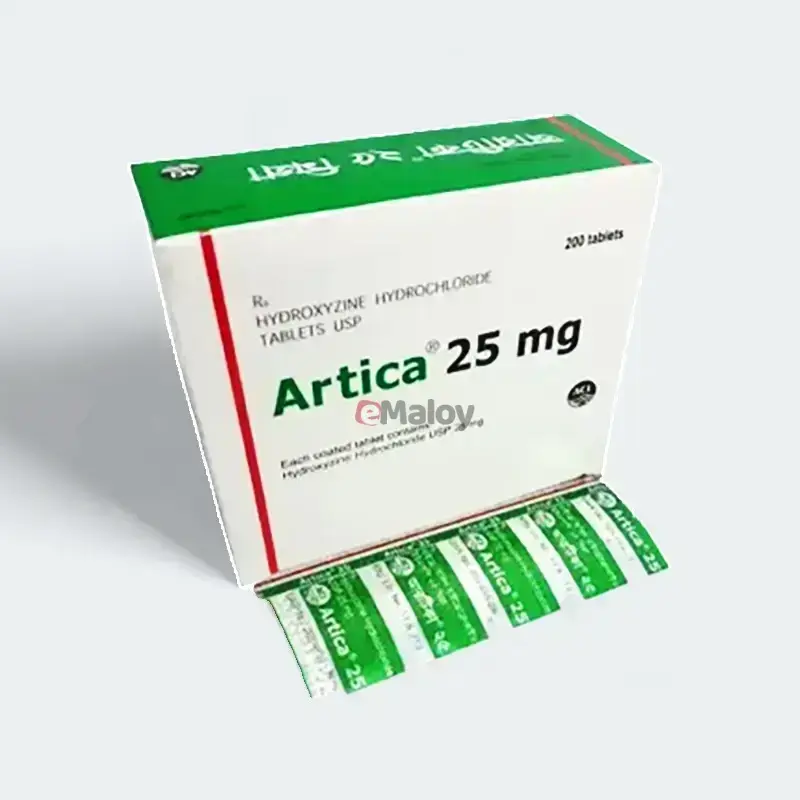
Artica Hydrochloride is indicated for:
Hydroxyzine Hydrochloride is an anxiolytic antihistamine that works as a histamine H1 receptor antagonist. Its effects are not due to cortical depression but rather a suppression of activity in specific subcortical areas of the central nervous system. The drug also has been shown to have skeletal muscle relaxant, bronchodilator, antihistaminic, analgesic, and antiemetic properties. It is rapidly absorbed from the gastrointestinal tract, with clinical effects typically appearing within 15-30 minutes after oral administration.
Artica can potentiate the effects of meperidine and barbiturates, so their dosages should be adjusted if used together. It does not interfere with atropine or digitalis. It should not be used at the same time as monoamine oxidase inhibitors.
Hydroxyzine is contraindicated in patients with a known hypersensitivity to Hydroxyzine or any of its ingredients.
Side effects are usually mild and temporary. The most common ones include drowsiness, headache, psychomotor impairment, and antimuscarinic effects such as urinary retention, dry mouth, and blurred vision. Less common side effects include low blood pressure, heart palpitations, irregular heart rhythm, dizziness, confusion, tremors, convulsions, and allergic reactions.
Clinical data on the safety of Hydroxyzine in early pregnancy are insufficient. Therefore, it is contraindicated during early pregnancy. It is not known if the drug is excreted in human milk, so it should not be given to nursing mothers.
Because Artica can increase the effects of central nervous system depressants (like narcotics and barbiturates), their dosages should be reduced when used together. Due to the possibility of drowsiness, patients should be warned against driving or operating dangerous machinery. Patients should also be cautioned against using other CNS depressants or drinking alcohol, as the effects may be enhanced.
The most common sign of an overdose is extreme sedation. In case of an overdose, it is important to remember that multiple drugs may have been taken. Treatment includes inducing vomiting or gastric lavage, general supportive care, and monitoring vital signs. Low blood pressure can be managed with intravenous fluids and other medications, but epinephrine should be avoided as Artica counteracts its effects. There is no specific antidote, and it is unlikely that hemodialysis would be effective.
Artica is a sedating antihistamine.
Store in a cool and dry place. Protect from light. Keep out of the reach of children.
Your email address will not be published. Required fields are marked *
Please login to write review!
Looks like there are no reviews yet.
Cookie preferences
Comment